Redesigning organisations for
the Wisdom Age
Transforming the human–business dynamic in an AI‑accelerated world
HumanCorps redesigns organisations for the Wisdom Age
— where competitive advantage stems from shared judgement, not information volume.
We help leaders replace brittle, industrial‑era structures with human‑centred, perpetually adaptive systems that unlock intrinsic capability and pair it with the emerging power of synthetic technologies. Grounded in real work across executive teams, organisational systems and the wider workforce — and in practical experimentation with AI — HumanCorps clarifies purpose, reframes leadership as an enterprise‑level team sport, and reshapes information and decision flows so those closest to reality can act with confidence.
The result: more intelligent organisations that amplify human judgement through symbiosis with synthetic technologies — built to thrive in disruption and deliver next‑level performance.
Embracing Chaos
Your organisation is pouring energy into fighting complexity instead of learning how to work with it. Hyper‑disruption, constant prioritisation battles, overlapping “strategic” initiatives, and noise from emerging technologies — especially AI — all collide with an operating model still anchored in the factory era: centralised plans, periodic restructures, and heroic leaders keeping the system afloat through sheer effort.
Those who move beyond this phase stop pretending the world is simpler than it is and stop trying to tame the chaos; they embrace it for the opportunities it brings. This shift in mindset becomes the catalyst for reimagining how the organisation truly works, moving from controlling complexity to understanding and harnessing it as a source of advantage.
Forming & Swarming
You’ve squeezed almost everything possible from your existing systems and structures. You’ve introduced agile pockets, reorganised teams, deployed a new operating model, launched several AI pilots, yet information remains stuck in silos, middle managers are overloaded, and those closest to customers still lack the authority or context to act.
Those that evolve past this phase rethink how humans and systems work together. They flatten unnecessary hierarchy, clarify decision rights and risk boundaries, and enable teams to swarm around emerging issues and flock around shared goals. Leadership shifts from command-and-control to creating the conditions — space, guardrails, shared purpose — in which collective ownership and agency can flourish.
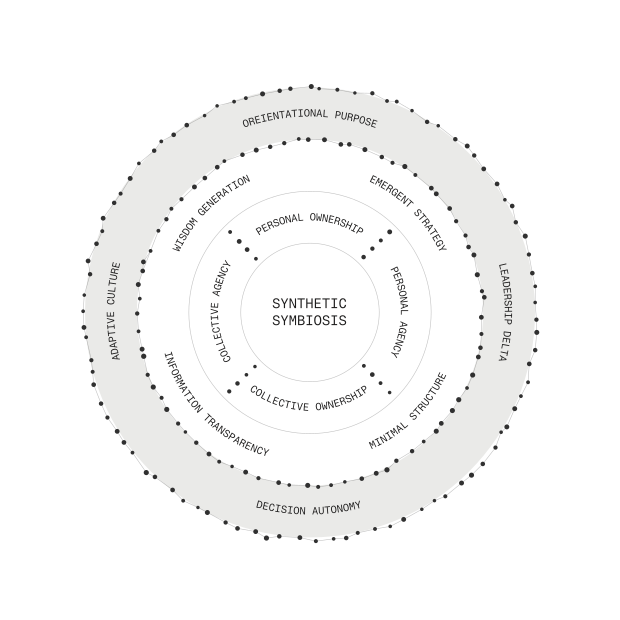
Synthetic Symbiosis
You may still be thinking of AI and synthetic technologies as powerful tools to “roll out” — automating tasks, generating content, analysing data. This tool‑mindset leaves significant value unrealised and risks unmanaged. Treating AI as a bolt‑on utility reinforces old patterns: humans decide, machines execute; humans upstream, synthetics downstream.
Those who move into this phase embrace synthetic symbiosis: a one‑to‑one partnership where every leader, team, and specialist works with a trusted Synth woven into the fabric of their work. These co‑agents surface context, strengthen judgement with relevant data, coordinate swarming and flocking across the organisation, and accelerate organisational learning loops. AI stops being an initiative and becomes part of how the organisation continuously senses, decides, and acts, unlocking the next frontier of performance.
Overview
How we turn mindset into performance.
HumanCorps is an operating system, not a bolt‑on framework.
We start by rewiring how leaders think about people, power, and performance, then work with them to redesign the organisation so those shifts show up in the daily reality of work. Technology reinforces these changes, not drives them. The result is an organisation that thinks and learns for itself — built for speed, sense‑making, and next‑level performance that old structures could never reach.
Our Services
Overview
Our Story
We founded HumanCorps from a shared conviction: the organisations that will win the next decade won’t be the biggest or the loudest — they will be the wisest. In practice, that means redesigning how people, information and decisions work together, using synthetic technologies as true co‑agents to amplify human judgement, not replace it. Our work — and our book — are our contribution to that shift.
Across industries we’ve seen the same failure mode: transformation‑as‑usual. Plans get grander, structures get heavier, and leaders are forced further from frontline reality. Our research and consulting experience reveal that in today’s hyper-disruptive environment defined particularly by over-complexity and paradigm-shifting technology, most organisations are just struggling to survive the tempest. They are being pushed into the wisdom age yet still equipped by industrial age structures and mindset. It’s akin to a 19th century factory worker attempting to master AI prompt engineering.
We start by resetting orientational purpose, then rebuild minimal, flexible structures, transparent information flows, and clear decision rights so those closest to the work can act with confidence. Then we integrate synthetic symbiosis — personal and team‑level Synths that strengthen context, coordination and learning loops — so sense‑making and performance compound over time.
Our aim is not a prettier org chart. It’s a living system that keeps getting better: strategy that emerges from reality, leadership as conditions‑creation, cultures that generate practical wisdom (phronesis), and decisions made faster and smarter at the edge. That’s the spirit behind the HumanCorps book and the reason we work with executive teams and HR leaders alike — to build organisations that are faster, clearer, wiser.
Note: Our book, HumanCorps (Routledge, 2026), captures this approach in depth and has already attracted endorsements from respected leaders — helpful context for clients and event organisers considering keynotes or executive sessions.
Our Team
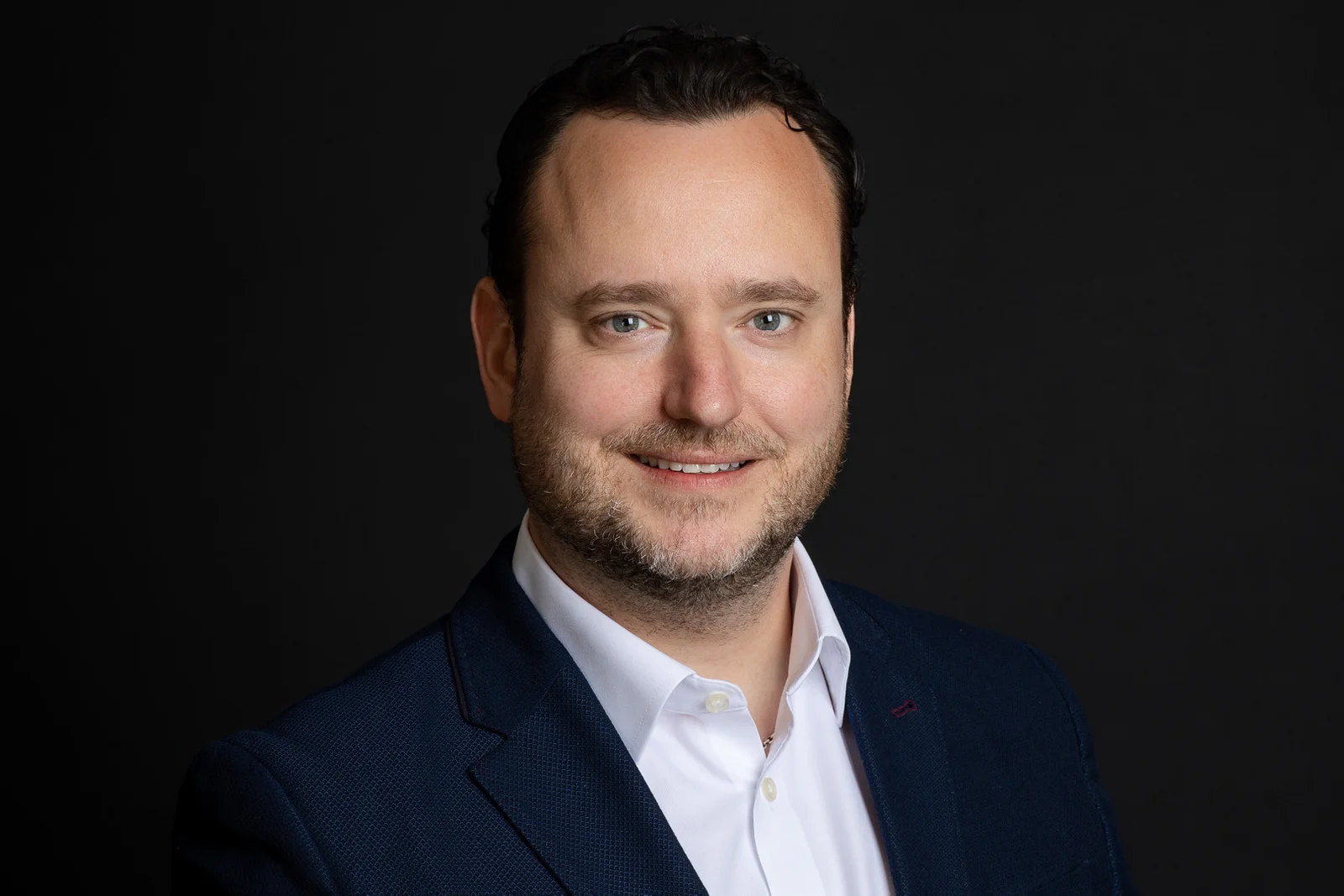
Andrew Lopianowski
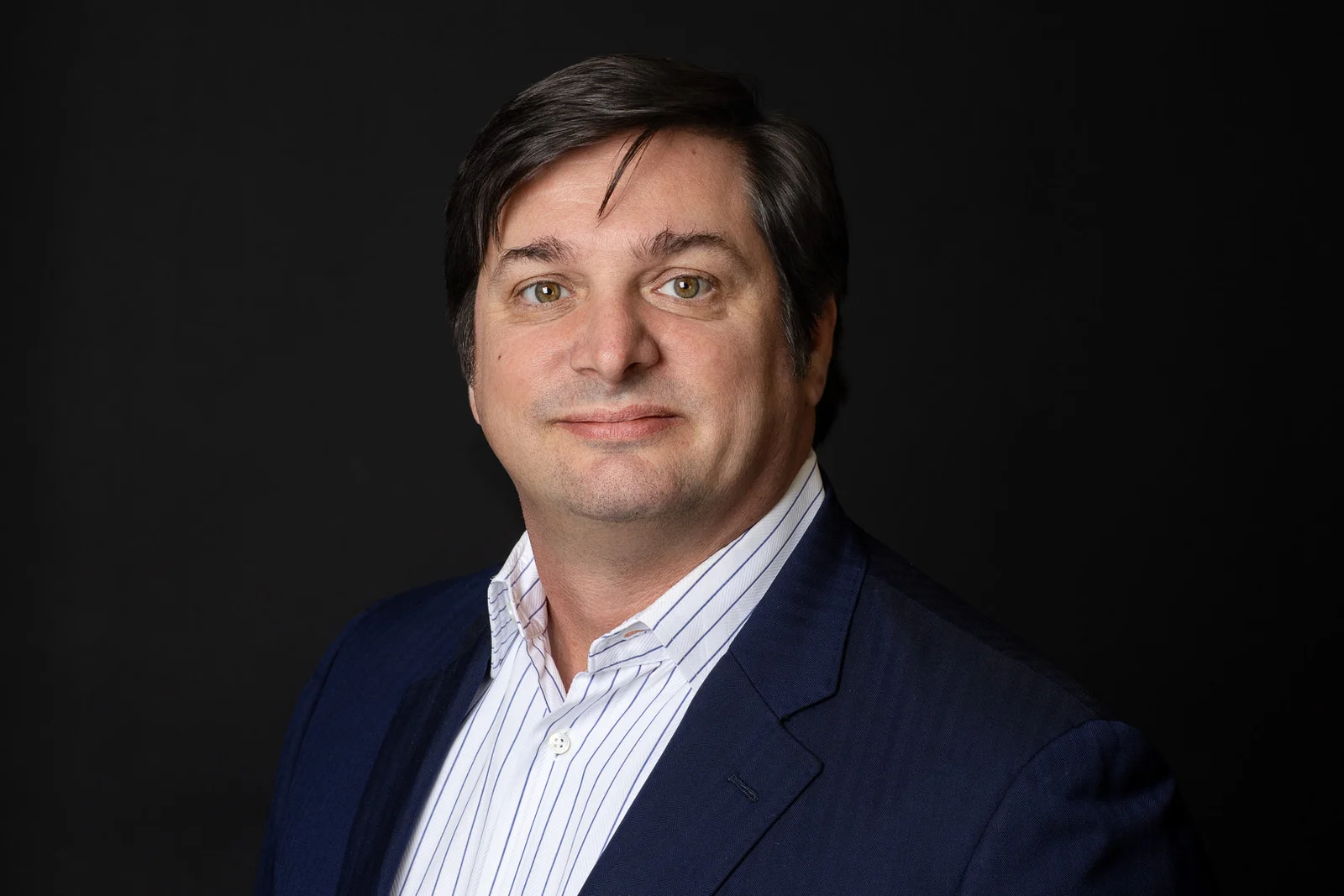
Mike Pino

Tania Lennon
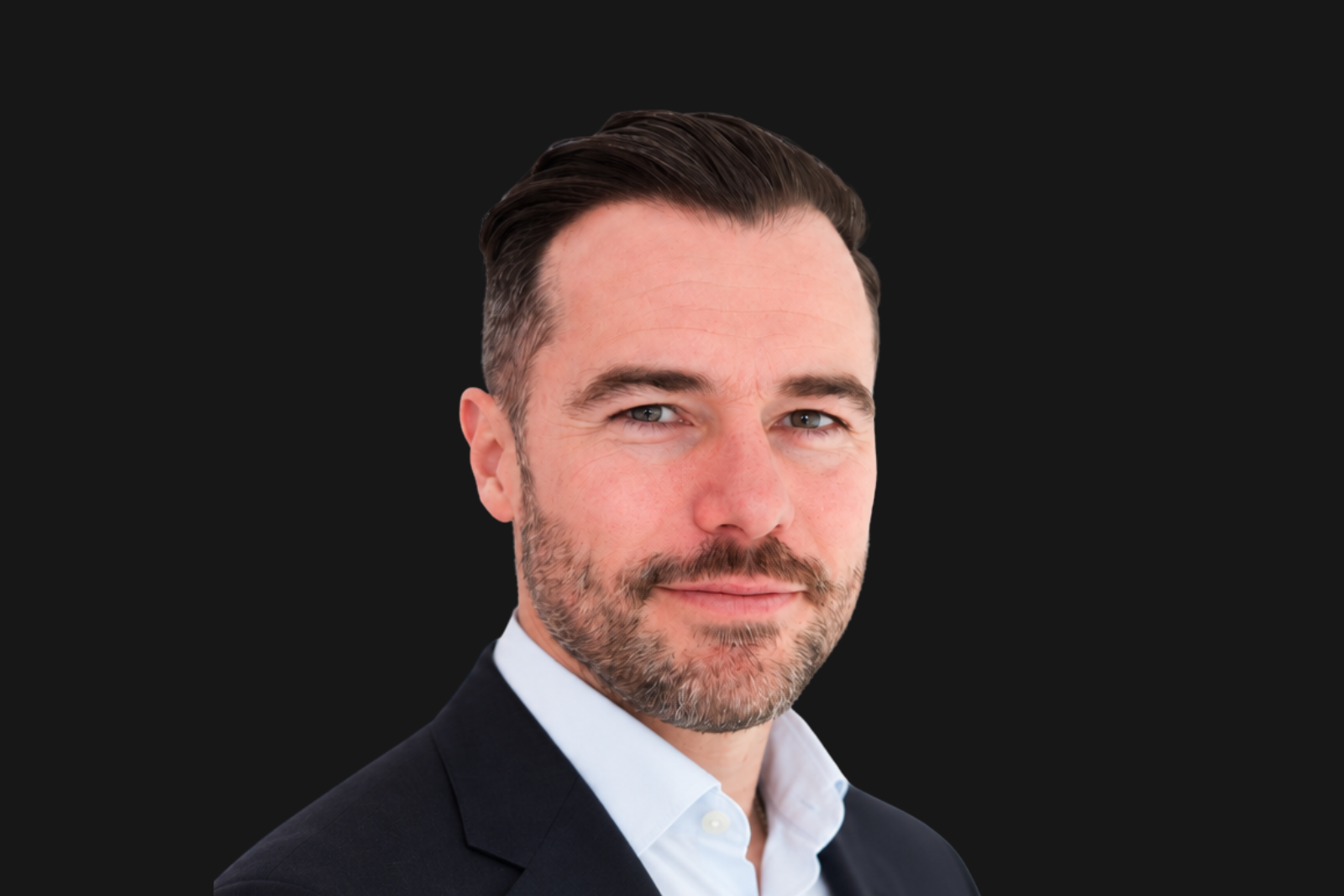
Karl Daly